Stevie Ray Vaughn: Derivitive Hack or Genius?
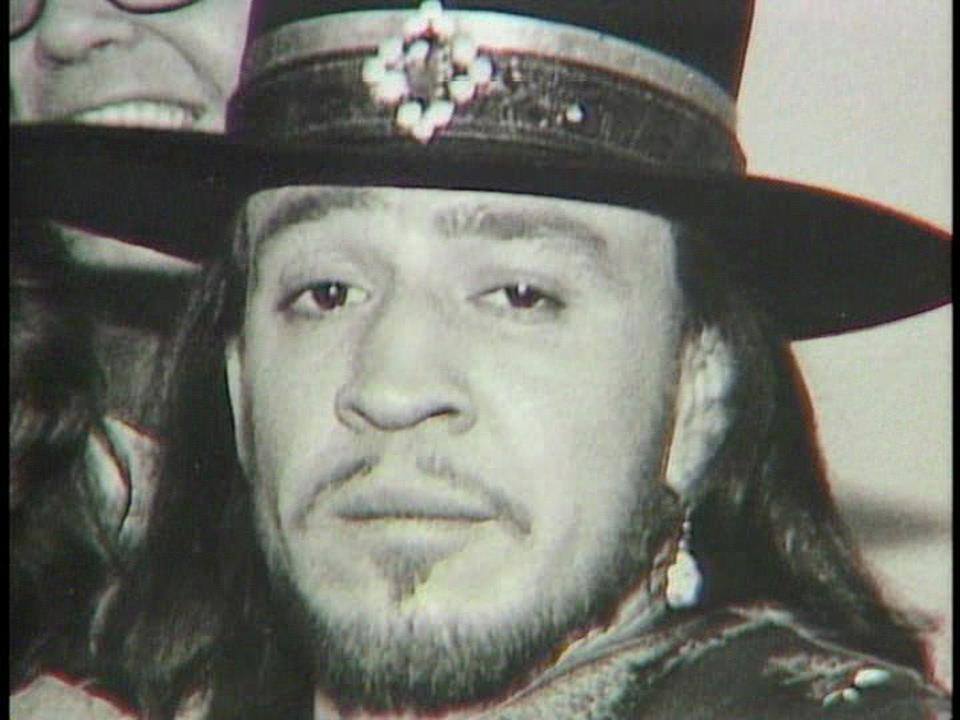
When Stevie Ray Vaughn first hit, back in the eighties, I’d have people ask me what I thought, at which point I’d generally say that he was a great, but derivative guitarist. And a better than average blues singer, especially for a White guy. This tended to elicit looks of disbelief, accompanied by the reasons why Stevie was the greatest thing since Hendrix. Of course, I had already acknowledged Stevie’s greatness, with a single qualifier—he was derivative. He was an artist whose roots were obvious, sometimes, blatantly so.
The first time I heard Stevie Ray Vaughn was in a music store as I searched through the albums for some blues. Without much luck, I might add. When suddenly, the unexpected happened. David Bowie began singing, with a blistering Albert King solo added to the mix. At the time, Albert was without a record company and whatever recordings of his that you might find, were few and far between. So anything was welcome. Plus, if Albert was playing with Bowie, maybe he’d get some long overdue recognition. The playing, though, was a bit more muscular than was typical for an older guitarist of Albert’s generation, which made me wonder.
Not long after that, I found out that it wasn’t Albert King, but was a young hotshot named Stevie Ray Vaughn. After seeing a picture of Stevie, I put two and two together and realized that he must be related to The Fabulous Thunderbirds guitarist Jimmie Vaughn, whom I admired as a breath of fresh, musical air. In a world of Les Paul guitars religiously played thru Marshall stack’s, or punk and new wave guitarists hammering amateur style, on an old Sears Silvertone, Jimmie’s striped down, Freddie King spank, was as fresh and welcome as a pristine 1950’s fin-back Oldsmobile.
There was no spandex with The Thunderbird's. No pursing of the lips, ala Mick Jagger, while sneering into the camera. No rock music screamed and yodeled as though someone had just squeezed the singer’s testicles. It was masculine rock and blues, played the way it was played by the people who created the music—and it was more than welcome—even if it was derivative. But then, so is any music with a deep enough tradition.
That’s what I mean when I use the term “derivative” for someone like Steve or Jimmy, or Ronnie Earl and The Roomful of Blues, as well as a number of other performers who were looking backward for their inspiration, instead of forward.
When I initially heard The Sex Pistols, my first thought was they reminded me of the early Stones, only with more over-the-top shuck and jive, held out as cutting edge political and musical anarchic theater.
Stevie, by comparison, was a genuine talent whose soulfulness and intense, but controlled virtuosity, made him something more than the latest thing, as was the case with the majority of the punk bands or the classic rock holdovers from the seventies. And, at his best, Stevie had roots and feel that ran deep throughout his music. The virtuosity was the sizzle that made you sit up and take notice. But it was his feel that stuck with you.
This is hardly new. Jazz has always had its traditionalists. The single greatest performance I’ve ever seen, on a purely musical level, was another truly great, but derivative player, the alto sax virtuoso Sonny Stitt. Stitt was often thought of as a Charlie Parker clone, and there’s no denying he sounded like Parker. Even so, he was a thrilling and masterful improviser. He could swing his ass off. Play the blues as real as could be imagined, and tear the heart out of any anybody who sought the man for a cutting contest. That kind of craft and sheer skill is seldom ever really appreciated by critics, who look for the new, more than the good, far too often.
Sonny Stitt was a legend among his fellow musicians, from Dizzy Gillespie to Miles Davis, including Art Pepper, another legendary jazz saxophonist. Pepper considered Stitt to be superior to Charlie Parker. He also expressed fear of taking the bandstand when Sonny was around. In that regard, Art Pepper—jazz saxophonist extraordinaire and musical icon—was hardly alone.
There are a million musicians of little repute, who, nonetheless, could make the hair stand up on the back of your neck. Thrill you and chill you. And surprise the hell out of you, on any given night, and in every musical idiom. Being derivative, in that sense, isn’t really an issue. It’s why Stevie Ray Vaughn is held so high, even today, 25 years after his death. It’s why Sonny Stitt still thrills anyone who actually listens.
Derivative or not, true greatness will find a way, like a shoot of grass pushing its way through concrete. That’s what I meant then, when first asked about Stevie Ray Vaughn. It’s what I still mean. Only the highest, that’s for certain, even with the qualifier.
Mark Magula
The first time I heard Stevie Ray Vaughn was in a music store as I searched through the albums for some blues. Without much luck, I might add. When suddenly, the unexpected happened. David Bowie began singing, with a blistering Albert King solo added to the mix. At the time, Albert was without a record company and whatever recordings of his that you might find, were few and far between. So anything was welcome. Plus, if Albert was playing with Bowie, maybe he’d get some long overdue recognition. The playing, though, was a bit more muscular than was typical for an older guitarist of Albert’s generation, which made me wonder.
Not long after that, I found out that it wasn’t Albert King, but was a young hotshot named Stevie Ray Vaughn. After seeing a picture of Stevie, I put two and two together and realized that he must be related to The Fabulous Thunderbirds guitarist Jimmie Vaughn, whom I admired as a breath of fresh, musical air. In a world of Les Paul guitars religiously played thru Marshall stack’s, or punk and new wave guitarists hammering amateur style, on an old Sears Silvertone, Jimmie’s striped down, Freddie King spank, was as fresh and welcome as a pristine 1950’s fin-back Oldsmobile.
There was no spandex with The Thunderbird's. No pursing of the lips, ala Mick Jagger, while sneering into the camera. No rock music screamed and yodeled as though someone had just squeezed the singer’s testicles. It was masculine rock and blues, played the way it was played by the people who created the music—and it was more than welcome—even if it was derivative. But then, so is any music with a deep enough tradition.
That’s what I mean when I use the term “derivative” for someone like Steve or Jimmy, or Ronnie Earl and The Roomful of Blues, as well as a number of other performers who were looking backward for their inspiration, instead of forward.
When I initially heard The Sex Pistols, my first thought was they reminded me of the early Stones, only with more over-the-top shuck and jive, held out as cutting edge political and musical anarchic theater.
Stevie, by comparison, was a genuine talent whose soulfulness and intense, but controlled virtuosity, made him something more than the latest thing, as was the case with the majority of the punk bands or the classic rock holdovers from the seventies. And, at his best, Stevie had roots and feel that ran deep throughout his music. The virtuosity was the sizzle that made you sit up and take notice. But it was his feel that stuck with you.
This is hardly new. Jazz has always had its traditionalists. The single greatest performance I’ve ever seen, on a purely musical level, was another truly great, but derivative player, the alto sax virtuoso Sonny Stitt. Stitt was often thought of as a Charlie Parker clone, and there’s no denying he sounded like Parker. Even so, he was a thrilling and masterful improviser. He could swing his ass off. Play the blues as real as could be imagined, and tear the heart out of any anybody who sought the man for a cutting contest. That kind of craft and sheer skill is seldom ever really appreciated by critics, who look for the new, more than the good, far too often.
Sonny Stitt was a legend among his fellow musicians, from Dizzy Gillespie to Miles Davis, including Art Pepper, another legendary jazz saxophonist. Pepper considered Stitt to be superior to Charlie Parker. He also expressed fear of taking the bandstand when Sonny was around. In that regard, Art Pepper—jazz saxophonist extraordinaire and musical icon—was hardly alone.
There are a million musicians of little repute, who, nonetheless, could make the hair stand up on the back of your neck. Thrill you and chill you. And surprise the hell out of you, on any given night, and in every musical idiom. Being derivative, in that sense, isn’t really an issue. It’s why Stevie Ray Vaughn is held so high, even today, 25 years after his death. It’s why Sonny Stitt still thrills anyone who actually listens.
Derivative or not, true greatness will find a way, like a shoot of grass pushing its way through concrete. That’s what I meant then, when first asked about Stevie Ray Vaughn. It’s what I still mean. Only the highest, that’s for certain, even with the qualifier.
Mark Magula