Playing Four
Playing Four
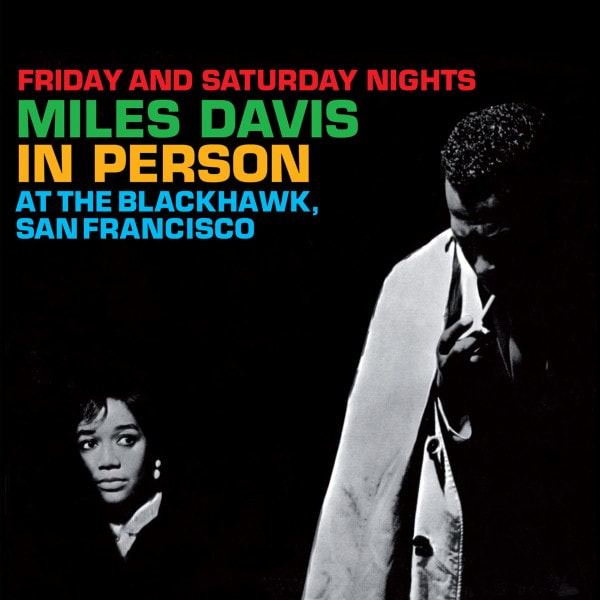
Miles Davis wrote "Four," one of the many jazz tunes composed by the man, which have become standards. Every jazz musician, whether merely a would-be jazzer or the real deal, take it for a spin. Its got lots of bebop, but, simplified, making it more accessible than Clifford Brown's "Joy Spring," for instance. It's also catchy and hummable in a way that many of bop tunes typically aren't.
Listen to Stan Getz version, and you clearly hear "Cool" jazz. You hear early Miles Davis jazz, with slowed tempos, contrasted with bebop's more frenetic pace and emphasis on virtuosity. Cool jazz gave the melody and soloist a chance to breathe, without being forced to compete with the song's harmonic land-mines and blazing tempos, often established to see who would blink first on the bandstand.
Like most post-war jazz, the song has multiple keys changes, giving the band harmonic material to dig their toes into. It's a workout, but an accessible one. And that's probably a big part of the song's appeal, for both musician and audience.
If you listen to Sonny Rollins interpretation, the tempo is quicker than either Davis or Getz versions. Sonny moves in and out of the song's chordal framework, pushing the harmonic boundaries in a way that was freshly avant-garde for the time. In that sense, Rollin's reading sounds like the most modern of modern jazz, much more so than Mile's take, even though they were recorded only a few years apart. That was the speed with which American life and music were evolving in the latter half of the 20th century. In reality, the whole world was, at least partially, developing an ear for the avant-garde, as musicians snuck flatted fifths and sharped ninths into pop songs, unbeknownst to the masses. In a few short years, Leonard Bernstein would compel people around the world to sing "The Jet's Theme" from West Side Story, in spite of the songs rhythmic and harmonic angularities, proving that a good song, is a good song, and will transcend expectations if crafted with care. Steely Dan did this better than just about anybody in pop music in the 1970s, just as Bernstein had in the early sixties.
Four, the song, is a bridge, straddling Bebop and Cool, rich enough to be played and explored by young musicians pulling out their fakebooks while attempting test their mettle against this Miles Davis standard.
If you can hang on for the ride, you just might have a future in this music called jazz. If not, back to the woodshed.
So, slow it down and play it right. Tell a story. Make it sing. If you do that, melody, harmony, and rhythm become more than the sum of their parts. That was the unique artistry of Miles Davis. He made music when so many others did little more than play licks and run chord changes.
That's how you play "Four." It's also how you play music.
Mark Magula
Miles Davis wrote "Four," one of the many jazz tunes composed by the man, which have become standards. Every jazz musician, whether merely a would-be jazzer or the real deal, take it for a spin. Its got lots of bebop, but, simplified, making it more accessible than Clifford Brown's "Joy Spring," for instance. It's also catchy and hummable in a way that many of bop tunes typically aren't.
Listen to Stan Getz version, and you clearly hear "Cool" jazz. You hear early Miles Davis jazz, with slowed tempos, contrasted with bebop's more frenetic pace and emphasis on virtuosity. Cool jazz gave the melody and soloist a chance to breathe, without being forced to compete with the song's harmonic land-mines and blazing tempos, often established to see who would blink first on the bandstand.
Like most post-war jazz, the song has multiple keys changes, giving the band harmonic material to dig their toes into. It's a workout, but an accessible one. And that's probably a big part of the song's appeal, for both musician and audience.
If you listen to Sonny Rollins interpretation, the tempo is quicker than either Davis or Getz versions. Sonny moves in and out of the song's chordal framework, pushing the harmonic boundaries in a way that was freshly avant-garde for the time. In that sense, Rollin's reading sounds like the most modern of modern jazz, much more so than Mile's take, even though they were recorded only a few years apart. That was the speed with which American life and music were evolving in the latter half of the 20th century. In reality, the whole world was, at least partially, developing an ear for the avant-garde, as musicians snuck flatted fifths and sharped ninths into pop songs, unbeknownst to the masses. In a few short years, Leonard Bernstein would compel people around the world to sing "The Jet's Theme" from West Side Story, in spite of the songs rhythmic and harmonic angularities, proving that a good song, is a good song, and will transcend expectations if crafted with care. Steely Dan did this better than just about anybody in pop music in the 1970s, just as Bernstein had in the early sixties.
Four, the song, is a bridge, straddling Bebop and Cool, rich enough to be played and explored by young musicians pulling out their fakebooks while attempting test their mettle against this Miles Davis standard.
If you can hang on for the ride, you just might have a future in this music called jazz. If not, back to the woodshed.
So, slow it down and play it right. Tell a story. Make it sing. If you do that, melody, harmony, and rhythm become more than the sum of their parts. That was the unique artistry of Miles Davis. He made music when so many others did little more than play licks and run chord changes.
That's how you play "Four." It's also how you play music.
Mark Magula